
Indigenization of art therapy does not involve merely incorporating Indigenous iconography, narrative, and artistic materials in a pre-existing clinical practice based on Western theory. Indigenization is a more complex endeavor involving fundamental change in how therapists understand and work with concepts such as healing, knowledge, relationship, culture, land, and accountability. Therapists practicing art therapy, counseling, and mental health must move from an individualized, clinically oriented therapeutic practice to one that takes a relational, community-oriented, culture-specific, and accountable approach.
The potential for using image creation, symbolism, story, and bodily expressions in art therapy has long been recognized. The use of similar means is also deeply meaningful within numerous Indigenous traditions as art plays an important role within many aspects of identity, connection to the land and ancestry, ceremonial and spiritual practices, community role, and inter-generational transmission of culture and knowledge. At the same time, the history of colonization, cultural oppression, forced assimilation policies, residential and boarding school systems, displacement from lands, and systematic racism in the healthcare industry mean that the therapist needs to practice this kind of work humbly and carefully. Indigenizing art therapy is therefore both a clinical and ethical process: it asks practitioners to examine power, avoid appropriation, respect cultural protocols, and support healing in ways defined by Indigenous communities themselves.
The potential for using image creation, symbolism, story, and bodily expressions in art therapy has long been recognized. The use of similar means is also deeply meaningful within numerous Indigenous traditions as art plays an important role within many aspects of identity, connection to the land and ancestry, ceremonial and spiritual practices, community role, and inter-generational transmission of culture and knowledge. At the same time, the history of colonization, cultural oppression, forced assimilation policies, residential and boarding school systems, displacement from lands, and systematic racism in the healthcare industry mean that the therapist needs to practice this kind of work humbly and carefully. Indigenizing art therapy is therefore both a clinical and ethical process: it asks practitioners to examine power, avoid appropriation, respect cultural protocols, and support healing in ways defined by Indigenous communities themselves.
Key Premises of the Indigenization of Art Therapy
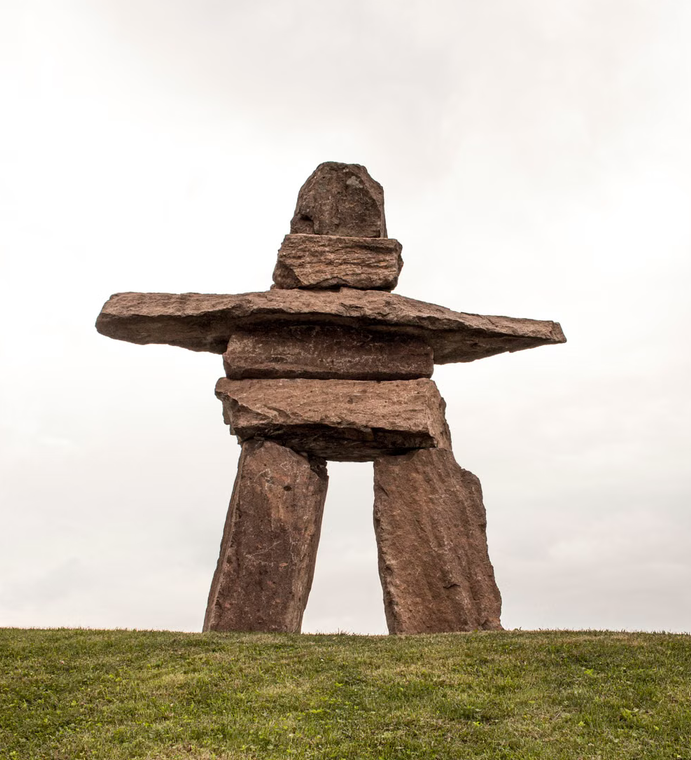
A key premise of the Indigenization of art therapy is the recognition of the legitimacy of Indigenous knowledge systems as vibrant, sophisticated, and valid forms of knowledge. Western approaches to therapy tend to prioritize verbal insight, diagnosis, symptom reduction, and a certain type of intervention model.
Indigenous healing traditions, although diverse in various Nations and communities, typically include elements of relationality, balance, connection to land, spirituality, family, community, storytelling, and responsibility for future generations. According to D’souza et al. (2024), culturally safe Indigenous mental health work involves paying attention to interpersonal collaboration, structural context and the meaningful integration of Indigenous cultural knowledge, values and practices. Thus, in art therapy, cultural safety entails not only the choice of techniques but also the whole relationship between the therapist and the patient, the environment, the goals of treatment, and the practitioner's own definition of healing.
Storytelling as an Exercise of Agency
The role of storytelling is particularly significant in relation to art therapy. Within Indigenous culture, stories are not just the expression of an individual's narrative experience but a way of transferring teachings, historical information, moral obligation, identity, and relationship to nature and the spiritual realm. The art therapy sessions can involve drawing, painting, textile work, mask making, beadwork, working with clay, collage, computer art, and mural art. However, it is vital for the art therapist to respect the fact that he or she is not entitled to extract stories from their patients or to interpret Indigenous symbolism within their practice. A culturally responsive approach allows the client, family, Elder, Knowledge Keeper, or community to determine what stories may be shared, how they may be shared, and what meanings should remain private. The therapist’s role is not to decode Indigenous symbols, but to witness respectfully, support agency, and create conditions where meaning-making remains in the client’s control.
Land-Based Healing
is another important dimension. A number of Indigenous theories and frameworks view the land as not just a neutral landscape but as an active relationship with lessons to teach and identity to instill. The contemporary literature on land-based healing focuses on the idea that connection to land, culture, family, language, and community has the potential to foster mental well-being, improve self-image, identity formation, and recovery (Wallace et al., 2026). Land-based art therapy can involve being outdoors, collecting natural materials, creating art in response to seasonality, mapping important spaces, considering the relationship between oneself and the waters, flora, fauna, ancestors, and territory. However, any land-based approach to art therapy must not be practiced in a culturally insensitive manner. There needs to be consideration of which land one is on and the associated protocols, appropriateness of particular materials, and need for Indigenous facilitation.
A key premise of the Indigenization of art therapy is the recognition of the legitimacy of Indigenous knowledge systems as vibrant, sophisticated, and valid forms of knowledge. Western approaches to therapy tend to prioritize verbal insight, diagnosis, symptom reduction, and a certain type of intervention model.
Indigenous healing traditions, although diverse in various Nations and communities, typically include elements of relationality, balance, connection to land, spirituality, family, community, storytelling, and responsibility for future generations. According to D’souza et al. (2024), culturally safe Indigenous mental health work involves paying attention to interpersonal collaboration, structural context and the meaningful integration of Indigenous cultural knowledge, values and practices. Thus, in art therapy, cultural safety entails not only the choice of techniques but also the whole relationship between the therapist and the patient, the environment, the goals of treatment, and the practitioner's own definition of healing.
Storytelling as an Exercise of Agency
The role of storytelling is particularly significant in relation to art therapy. Within Indigenous culture, stories are not just the expression of an individual's narrative experience but a way of transferring teachings, historical information, moral obligation, identity, and relationship to nature and the spiritual realm. The art therapy sessions can involve drawing, painting, textile work, mask making, beadwork, working with clay, collage, computer art, and mural art. However, it is vital for the art therapist to respect the fact that he or she is not entitled to extract stories from their patients or to interpret Indigenous symbolism within their practice. A culturally responsive approach allows the client, family, Elder, Knowledge Keeper, or community to determine what stories may be shared, how they may be shared, and what meanings should remain private. The therapist’s role is not to decode Indigenous symbols, but to witness respectfully, support agency, and create conditions where meaning-making remains in the client’s control.
Land-Based Healing
is another important dimension. A number of Indigenous theories and frameworks view the land as not just a neutral landscape but as an active relationship with lessons to teach and identity to instill. The contemporary literature on land-based healing focuses on the idea that connection to land, culture, family, language, and community has the potential to foster mental well-being, improve self-image, identity formation, and recovery (Wallace et al., 2026). Land-based art therapy can involve being outdoors, collecting natural materials, creating art in response to seasonality, mapping important spaces, considering the relationship between oneself and the waters, flora, fauna, ancestors, and territory. However, any land-based approach to art therapy must not be practiced in a culturally insensitive manner. There needs to be consideration of which land one is on and the associated protocols, appropriateness of particular materials, and need for Indigenous facilitation.
Collective Healing and Community Connection
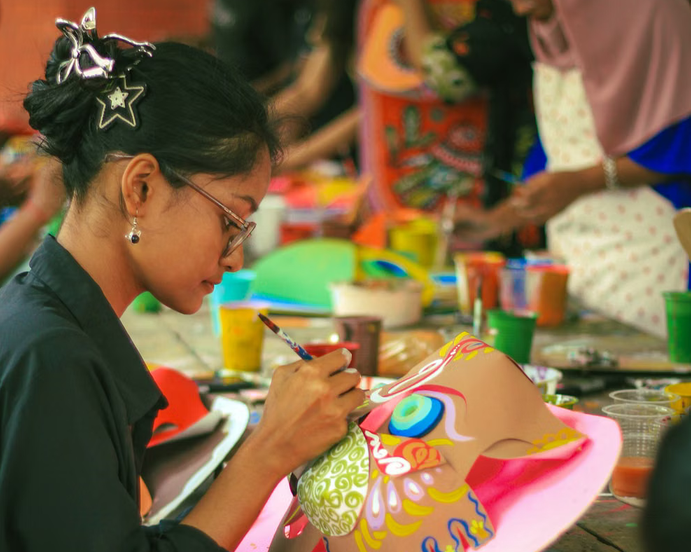
The issue of community connection raises another problematic notion about art therapy as a clinical service, that it must necessarily be a private, individual, and office-based treatment. However, in several Indigenous societies, wellness is related to such aspects as family, kinship, communal memory, cultural sustainability, and a sense of belonging to a community. Art therapy can facilitate community healing through group art-making, intergenerational activities, community-level art exhibitions, memorial or resilience-based art, and collaborative visual storytelling. According to Moss et al. (2023), creative arts therapy education may benefit from the incorporation of decolonized approaches that move past biomedical thinking and promote culturally relevant learning processes. In practice, this may mean designing services in partnership with Indigenous organizations, inviting community-defined goals, and valuing collective forms of expression rather than assuming that healing must occur only through one-to-one clinical dialogue.
Creative Arts Therapist's Position
The decolonization of art therapy also includes examining one's own positionality. In particular, the non-Indigenous therapists need to ask the following questions: What cultural assumptions do I bring to my work? Am I applying my Western clinical theory as universally applicable? Am I using Indigenous cultural symbols without the required permissions, education, or relationship? Do I take professional benefits of knowledge that does not belong to me, and whose communities did not give permission to use it? Cultural safety is broader than cultural competence because it deals with power, institutional discrimination, the history of colonization, and the clients' perception of whether the care is safe (Curtis et al., 2019; D’souza et al., 2024). One may be well-intentioned but harmful due to ignoring those dynamics.
Some practical recommendations on how to practice ethically may include continuing education offered by Indigenous experts, consulting with the local Indigenous organizations, and following cultural protocols. Moreover, the therapists should refrain from pan-Indigenous generalizations since Indigenous people are not a homogeneous cultural group. Something that might be acceptable for one Nation or community, or even one family, would not necessarily be applicable in another case. Moreover, it is crucial to understand the difference between cultural appreciation, cultural adaptation, and cultural appropriation. The first two would be appropriate, while the third one would not be because, for example, letting your Indigenous client express themselves in culturally specific art forms would be respectful.
The issue of community connection raises another problematic notion about art therapy as a clinical service, that it must necessarily be a private, individual, and office-based treatment. However, in several Indigenous societies, wellness is related to such aspects as family, kinship, communal memory, cultural sustainability, and a sense of belonging to a community. Art therapy can facilitate community healing through group art-making, intergenerational activities, community-level art exhibitions, memorial or resilience-based art, and collaborative visual storytelling. According to Moss et al. (2023), creative arts therapy education may benefit from the incorporation of decolonized approaches that move past biomedical thinking and promote culturally relevant learning processes. In practice, this may mean designing services in partnership with Indigenous organizations, inviting community-defined goals, and valuing collective forms of expression rather than assuming that healing must occur only through one-to-one clinical dialogue.
Creative Arts Therapist's Position
The decolonization of art therapy also includes examining one's own positionality. In particular, the non-Indigenous therapists need to ask the following questions: What cultural assumptions do I bring to my work? Am I applying my Western clinical theory as universally applicable? Am I using Indigenous cultural symbols without the required permissions, education, or relationship? Do I take professional benefits of knowledge that does not belong to me, and whose communities did not give permission to use it? Cultural safety is broader than cultural competence because it deals with power, institutional discrimination, the history of colonization, and the clients' perception of whether the care is safe (Curtis et al., 2019; D’souza et al., 2024). One may be well-intentioned but harmful due to ignoring those dynamics.
Some practical recommendations on how to practice ethically may include continuing education offered by Indigenous experts, consulting with the local Indigenous organizations, and following cultural protocols. Moreover, the therapists should refrain from pan-Indigenous generalizations since Indigenous people are not a homogeneous cultural group. Something that might be acceptable for one Nation or community, or even one family, would not necessarily be applicable in another case. Moreover, it is crucial to understand the difference between cultural appreciation, cultural adaptation, and cultural appropriation. The first two would be appropriate, while the third one would not be because, for example, letting your Indigenous client express themselves in culturally specific art forms would be respectful.
Research and Validation of Best Practices
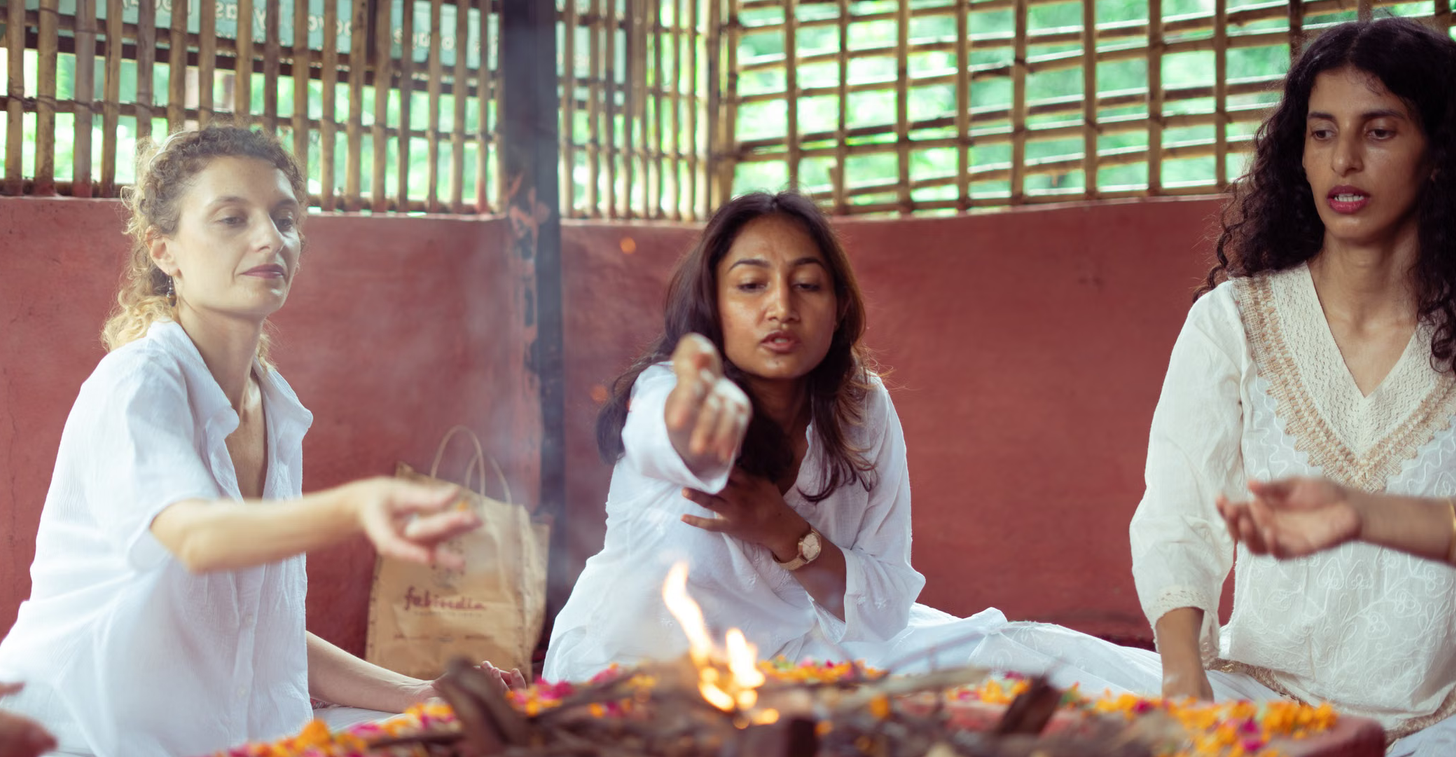
However, at the same time, the Indigenization of art therapy will also require a reconsideration of the very idea of evidence. While the latter is essential, it should be mentioned that Western research methodology ignores Indigenous epistemology.
According to D’souza et al. (2024), indigenous mental health practices benefit from participatory, relational, and culturally grounded practices that are respectful of Indigenous knowledge. Similar trends can be seen in emerging art-based intervention practices that use the involvement of Indigenous artists and communities (Motta-Ochoa et al., 2024). It is especially applicable to the practice of art therapists who work within the context of both clinical and cultural work.
Trauma-informed practice is also critical, although it needs to be expanded to encompass colonial and historical traumas. Indigenous clients could have both their own personal traumas and intergenerational or collective ones due to loss, cultural disruptions, racism, and colonization. Art therapy provides non-verbal avenues of expression, regulation, identity formation, and strengthening of resilience. Still, trauma-informed practice cannot view Indigenous peoples in the light of traumas alone. Strengths-based practice acknowledges survivance, creativity, culture continuity, humour, resistance, language revival, ceremonies, families, and community leaders as agents of healing.
Conclusion
Indigenizing art therapy is not a ready-made formula for therapists and counsellors to learn. Humility, accountability, relationships, and lifelong learning are the key elements of such a process. It requires them to slow down, become better listeners, and give up some of their power to realize that healing might not be in the Western clinical categories. Art therapy becomes more ethical and culturally competent by acknowledging Indigenous self-determination, preventing cultural appropriation and helping people to reconnect with their identity, stories and communities in ways that are meaningful to them.
At the end of the day, the Indigenization of art therapy is not about substituting a narrow system with another. Rather, it is about broadening the horizon of healing in this field. If art therapy is practiced in a respectful manner, it can be an area of practice where creativity helps people not only express their emotions but also preserve culture and mend relations. This kind of practice is a challenge for mental health practitioners. They have to be brave and responsible in what they do.
However, at the same time, the Indigenization of art therapy will also require a reconsideration of the very idea of evidence. While the latter is essential, it should be mentioned that Western research methodology ignores Indigenous epistemology.
According to D’souza et al. (2024), indigenous mental health practices benefit from participatory, relational, and culturally grounded practices that are respectful of Indigenous knowledge. Similar trends can be seen in emerging art-based intervention practices that use the involvement of Indigenous artists and communities (Motta-Ochoa et al., 2024). It is especially applicable to the practice of art therapists who work within the context of both clinical and cultural work.
Trauma-informed practice is also critical, although it needs to be expanded to encompass colonial and historical traumas. Indigenous clients could have both their own personal traumas and intergenerational or collective ones due to loss, cultural disruptions, racism, and colonization. Art therapy provides non-verbal avenues of expression, regulation, identity formation, and strengthening of resilience. Still, trauma-informed practice cannot view Indigenous peoples in the light of traumas alone. Strengths-based practice acknowledges survivance, creativity, culture continuity, humour, resistance, language revival, ceremonies, families, and community leaders as agents of healing.
Conclusion
Indigenizing art therapy is not a ready-made formula for therapists and counsellors to learn. Humility, accountability, relationships, and lifelong learning are the key elements of such a process. It requires them to slow down, become better listeners, and give up some of their power to realize that healing might not be in the Western clinical categories. Art therapy becomes more ethical and culturally competent by acknowledging Indigenous self-determination, preventing cultural appropriation and helping people to reconnect with their identity, stories and communities in ways that are meaningful to them.
At the end of the day, the Indigenization of art therapy is not about substituting a narrow system with another. Rather, it is about broadening the horizon of healing in this field. If art therapy is practiced in a respectful manner, it can be an area of practice where creativity helps people not only express their emotions but also preserve culture and mend relations. This kind of practice is a challenge for mental health practitioners. They have to be brave and responsible in what they do.
References
Created with